As Stress Awareness Month comes to a close, it’s a perfect time to reflect on the therapeutic benefits of spending time on the waterways. Around the world, rivers, lakes, and canals can provide a sanctuary, giving people a quiet place to take a break from the busyness and pressures of everyday life.
For many, time spent by the water  is more than just a leisure activity; it’s a chance to reconnect with nature and find inner peace. Whether it’s the rhythmic lapping of waves against the shore or the gentle sway of a boat on a calm river, there’s something inherently soothing about being near water.
The healing power of water extends beyond just relaxation; it can also have profound effects on mental and emotional wellbeing. Studies have shown that being near water can reduce stress levels, improve mood, and promote feelings of calmness and tranquillity. Research from the National Institutes of Health highlights that being near water can have positive effects on mental health and emotional wellbeing. It’s a chance to disconnect from the chaos of daily life and reconnect with the natural world around us.
And even more recently, new UK-based studies have reinforced just how powerful nature-based experiences can be—especially when they’re inclusive and accessible. A nationwide green social prescribing programme found that encouraging people to take part in nature-based activities (like boating, walking, or conservation) significantly reduced anxiety and boosted happiness. In some cases, these interventions were even more effective than traditional therapies like cognitive behavioural therapy.
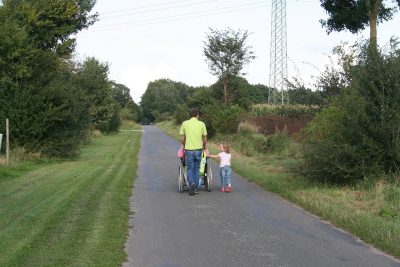 Another study by King’s College London found that biodiverse environments—places with trees, birds, and waterways—were especially beneficial. Participants felt calmer and more positive for up to eight hours after spending time in nature-rich spaces. For us at CanalAbility, this really highlights the value of our time on the River Stort—it’s not just relaxing, it’s truly therapeutic.
And it’s not just adults who benefit. Research from the University of Glasgow revealed that children who spend time in natural spaces are 50% less likely to experience mental health issues later on. The effect was particularly strong for children from lower-income households, showing that access to nature really does matter.
As we bid farewell to Stress Awareness Month, let us carry forward the lessons learned about the importance of self-care and mindfulness. Whether it’s a tranquil canal boat cruise along a serene river or a leisurely stroll by the waterways, let’s continue to seek out moments of peace and connection with nature.
Join us in embracing the serenity of the waterways. Discover your own path to inner peace amidst the beauty of rivers, lakes, and canals. Here are some websites you may find of interest:

The Stress Management Society is a non-profit organisation dedicated to helping individuals and companies recognise and reduce stress.
Find out more about the Canal River Trust, the UK’s largest canal charity, looking after 2,000 miles of canals and rivers across England and Wales
The Inland Waterways Association is a membership charity that works to protect and restore the country’s 7000 miles of canals and rivers.
Discover the National Institutes of Health research on the benefits of being near water.
Find out more about accessible canal boat trips with CanalAbility.